
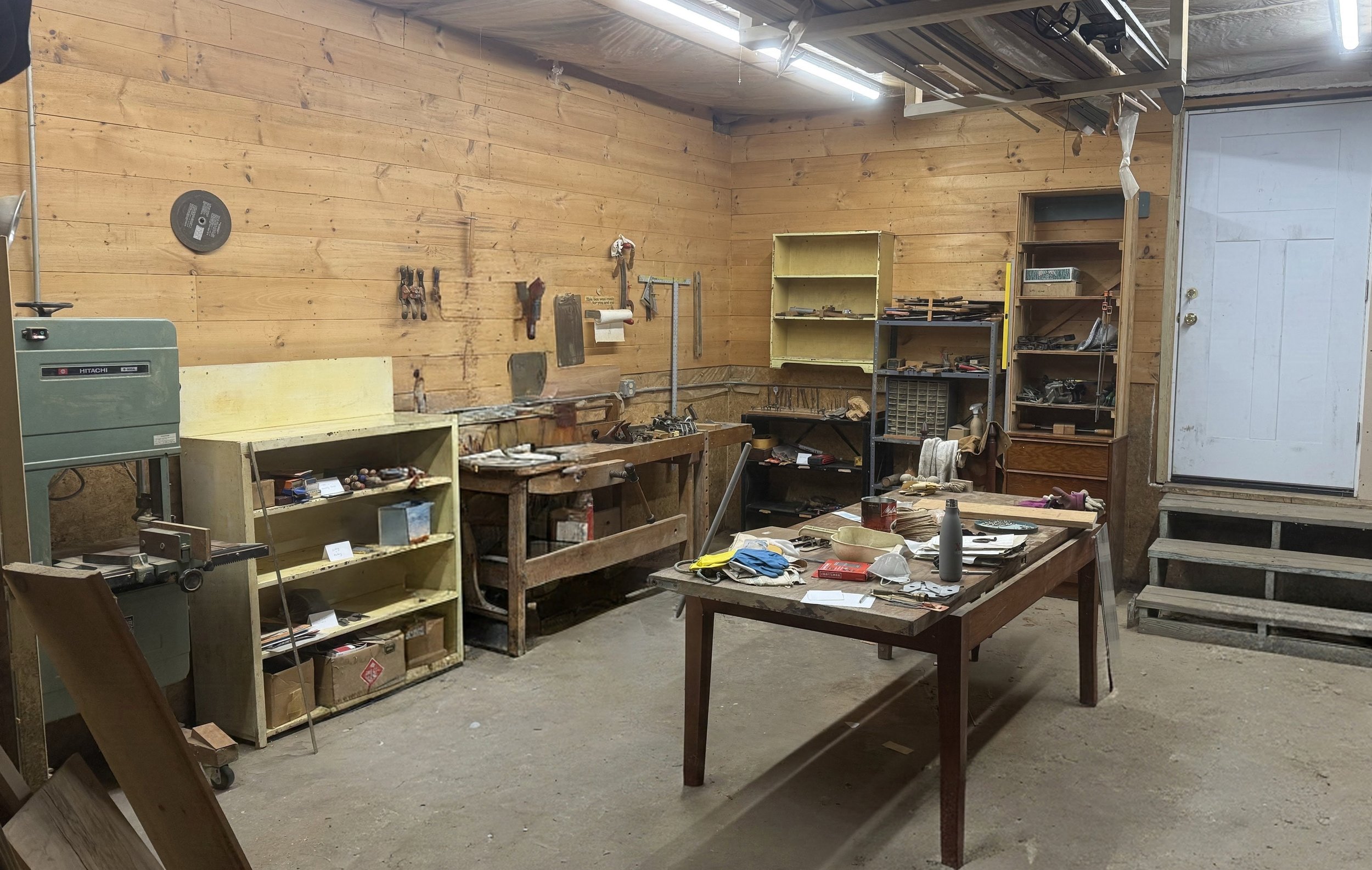
The Weston Street Woodshop was purchased in 2003 to support the restoration of the Kimball House and expand opportunities for woodworking and traditional trades. The building provided workspace for artists, craftspeople, and restoration projects while continuing the Craft Center's commitment to hands-on learning. We are reimagining the woodshop as we look to the future and welcome community input.
Weston Street Woodshop
Meet Our Studio Artists
-
David Hurwitz
Designer-craftsman in wood
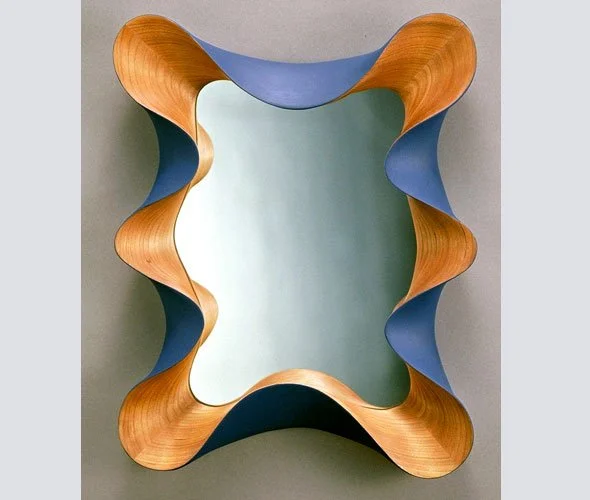
David Hurwitz designs and builds contemporary furniture pieces, one at a time, using hand carving along with traditional methods of furniture construction and joinery. His work has been exhibited widely in galleries and museums, and is in public and private collections throughout the U.S. as well as in Canada, Mexico and Europe.David has been doing woodworking since the age of six, and has been a self-employed furniture maker since 1993. His work has been featured in many regional, national, and international publications and design books, and he has received numerous design awards for his work.
-

Jack Rowell
Photography
In photographic portraits and scenes of rural life, fifth-generation Vermonter Jack Rowell captures a society in transition, where survival depends on timeless virtues—creativity, resilience—and a certain amount of luck.
Jack's photography is part of Vermont's cultural heritage, but its importance transcends our state boundaries. As Americans struggle through one of the most divisive periods in our nation’s history, Jack’s work is a reminder that the human story is one of both hardship and triumph, and that to see ourselves as we truly are demands love, humor, irony, and respect.
-
Anne Stiebing
Mixed-Media/Fiber Artist
Woodshop Artist-in-Residence
Anne Stiebing is a K-8th grade art teacher and artist. She earned her BFA in Fiber Arts, and Masters of Arts in Teaching (MAT) from Maryland Institute College of Art. Anne works with a wide variety of materials and processes, mainly found objects and foraged natural materials. She prides herself on maintaining her identity as an artist despite the demands of a teaching career.
Anne is an Artist in Residence at White River Craft Center in Randolph, Vermont, where she is learning wood working and building a series of sculptural furniture pieces, while on sabbatical from teaching.
-
Rick Small
Woodworker
A talented general contractor and longtime member of the White River Craft Center community. Throughout our 25-year history, Rick has worked tirelessly behind the scenes, caring for our historic building and helping meet the evolving needs of our organization. A true unsung hero, his skill, dedication, and generosity have been instrumental in preserving our creative community space for generations to come.
Our Textiles Community
Inspiration and Belonging: WRCC’s weaving studio has been the creative home of local textile artists for more than two decades. You’ll be in the company of weavers and fiber artists from a range of backgrounds and artistic practices–some professional and some who weave or craft for their own enjoyment. Our bright, welcoming studio is an intergenerational space for learning and creativity. While Studio Membership does not include formal instruction or classes, weaving in a community setting offers the opportunity to make artistic connections and learn from each other.
-
Community studios provide weavers with a chance to try out multiple looms and styles of weaving without investing in equipment of one’s own. Our library includes floor, inkle, frame, rigid heddle, tapestry and table looms. Rather than taking a chance purchasing a used loom that may or may not fit your needs, weavers can learn which loom technologies best fit the scale of their body and arts practice.
-
There are many items that make weaving easier but aren’t needed on a daily basis. At the WRCC Fiber Studio, we have a library fiber tools, from spinning wheels and warping boards to fringe winders, irons and a hot mangle. Membership in a community studio means that you can get basic training on these tools and access them as needed, rather than having to purchase them.
-
We maintain an extensive supply closet of common weaving fibers, including wool, cotton, linen and acrylic blends in a variety of weights. Studio members can choose a monthly allowance of yarn (by gram weight) and purchase additional materials at a reduced cost for in-studio use. This allows new weavers to explore and experiment with fibers or color combinations without purchasing whole cones from yarn suppliers.
-
Studio space and weaving tools can be costly. For textile artists with limited budgets or small living spaces, community studios provide access to professional equipment maintained by experienced fiber artists and a monthly allowance of yarns for in-studio use. Rather than having to purchase equipment, community studios allow weavers to select what need, as each project requires. Some artists view community studio membership as a first step towards establishing their own studio spaces, but others find that community studios fully meet their arts practice and creative needs.