
Our Story
For 25 years, the White River Craft Center has been a place for creativity, learning, and connection. Rooted in a commitment to arts and craft education, we bring people together through hands-on experiences, support working artists, and care for our historic building as a welcoming space for the community. As we look to the future, we continue to grow and evolve, creating new opportunities for people of all ages and abilities to explore, make, and connect.
25 Years of Creativity & Community
Explore 25 years of the White River Craft Center through our newly digitized historical exhibition! Discover the people, programs, and creative moments that have shaped our story—and see how you can be part of what comes next.
Explore Our History & Get Involved!
Building Opportunity
The White River Craft Center began in a former White River Valley Herald warehouse on Weston Street. What was once an industrial building became a place filled with creativity, learning, and opportunity. Early studios for ceramics, stained glass, woodworking, painting, and other crafts welcomed people of all ages to explore hands-on making. Classes, workshops, and open studio access introduced many residents to the arts for the first time. Weston Street established the Craft Center's identity as a welcoming, community-focused organization where creativity, education, and practical skills could come together under one roof.
Supporting young people was central to the Craft Center's founding mission. Working alongside Randolph Technical Career Center, the Department of Labor, educators, and community partners, the organization created opportunities that extended beyond traditional classrooms. Youth participated in restoration projects, trades education, creative programming, summer employment, and alternative learning experiences. Many gained practical skills while contributing to meaningful community projects. The Craft Center became a place where young people could develop confidence, discover talents, build relationships with mentors, and experience the value of their contributions to the community.
As the organization grew, so did its vision. The acquisition and restoration of the Kimball House provided the opportunity to create a permanent home for the White River Craft Center while preserving one of Randolph's historic landmarks. Restoration became both a community project and an educational tool, involving youth participants, tradespeople, volunteers, artists, and educators. Over time, the building evolved into a dynamic hub of activity, housing galleries, studios, classrooms, apartments, workshops, and gathering spaces. The expansion strengthened the Craft Center's role as a cultural resource while ensuring the continued life of an important historic building.
-
January 22nd
McBean Letter of Endorsement
Dave McBean the coordinator of youth employment program Project Advance, personally endorses the White River Craft Center due to its positive impact on at-risk youth.
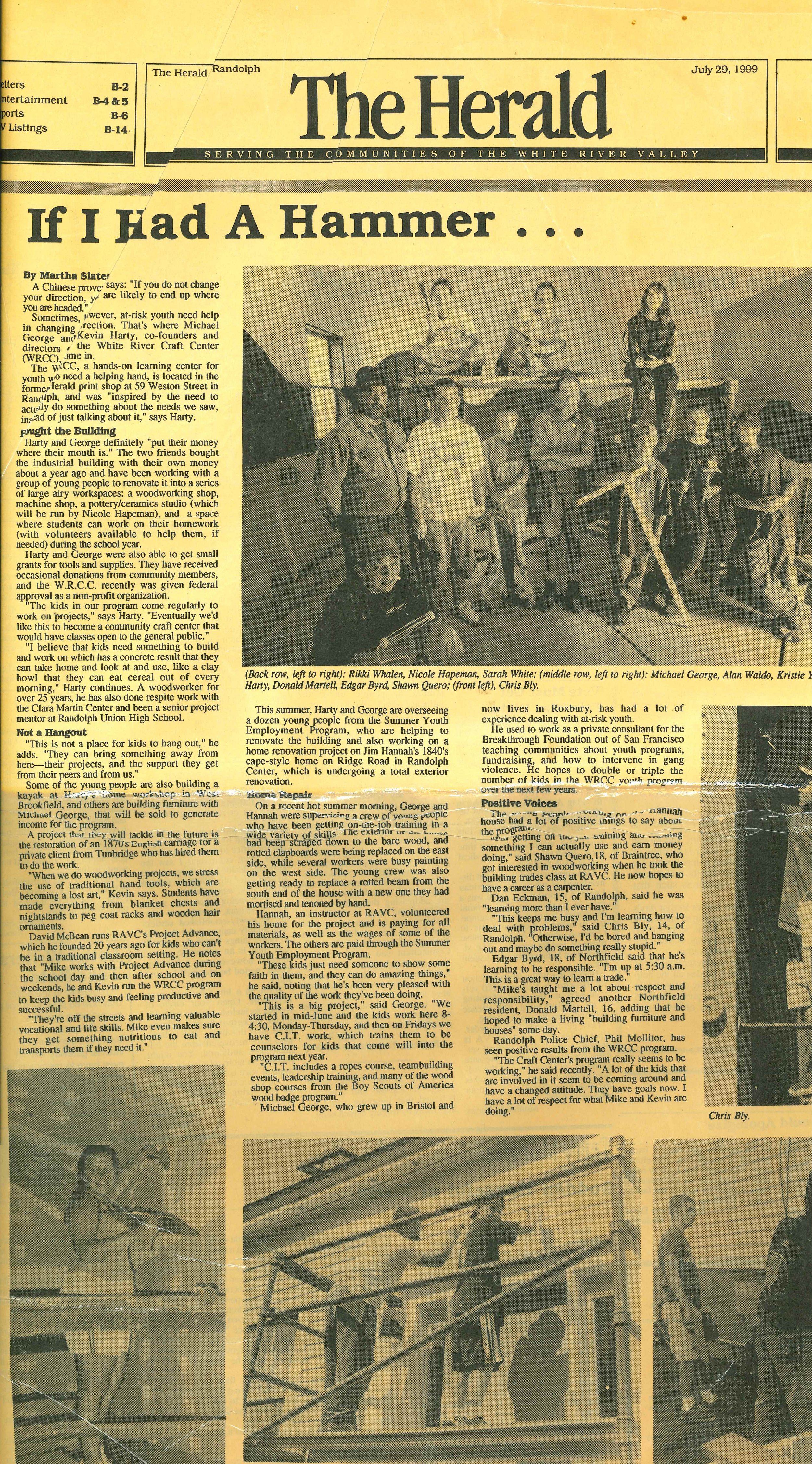
July 29th
The Herald: “If I Had A Hammer…”
Kevin Harty, Michael George (co-founder), and the youth who work for them discuss the goals and impact of the White River Craft Center.
-
March 2nd
The Herald: “Pottery Classes Offered”
Craig Williams teaches pottery classes at the White River Craft Center.
-
January 4th
New Classes Start at White River Craft Center
March 22nd
The Herald: “Local Youths Hoping to Have Town Skateboard Park at Rink”
July 15th
The Herald/The Times Argus: “Learning by Doing”
At-risk youths working at the White River Craft Center discuss the impact it has had on their lives.
November 17th
Open House
The White River Craft Center hosts its first open house to celebrate the work on Kimball House and to showcase its artists.
The Arts Community
The 2001 Showcase Exhibition at the Chandler Center for the Arts marked an important milestone for the White River Craft Center, celebrating the creativity and talent emerging from its growing community. The exhibition featured work by youth participants, studio artists, instructors, and community members working across ceramics, stained glass, woodworking, painting, and other disciplines. It reflected the Craft Center's commitment to creative growth, learning, and opportunity. For many participants, it was a chance to share their work publicly and be recognized as artists.
As the Craft Center expanded into the Kimball House, dedicated studio spaces provided artists with affordable places to work, create, and build creative businesses. Painters, photographers, fiber artists, woodworkers, jewelers, and makers of all kinds found a supportive environment where ideas could be exchanged and creative practices could flourish. More than workspace, the studios fostered a sense of community among artists who shared resources, collaborated on projects, and contributed to the life of the organization. The studio community remains an essential part of the Craft Center's identity and growth.
Ceramics & Stained Glass | 59 Weston Street | 1998–2012
Among the earliest creative spaces at the White River Craft Center were the ceramics and stained glass studios. These studios introduced hundreds of community members to hands-on artistic practice through classes, workshops, open studio access, and collaborative projects. For many local residents, they provided a first opportunity to explore the arts in a welcoming environment. The studios became places where technical skills, creative expression, and friendships developed side by side. Their success helped establish the Craft Center as an accessible destination for arts education and creative exploration in central Vermont.
The Woodshop | 53 Weston Street | 2003–Today
The Weston Street Woodshop was purchased in 2003 to support the restoration of the Kimball House and expand opportunities for woodworking and traditional trades. The building provided workspace for artists, craftspeople, and restoration projects while continuing the Craft Center's commitment to hands-on learning. We are reimagining the woodshop as we look to the future and welcome community input.
Community Darkroom | Kimball House | 2010–Today
The Community Darkroom grew from a shared vision among local photographers, educators, and supporters who believed that photography should remain accessible, hands-on, and community-centered. Equipment donated by photographers and institutions, including Vermont Technical College (now Vermont State University), helped establish a rare resource for the region. Classes, workshops, youth projects, and open access opportunities allowed photographers to learn traditional film processing and darkroom printing techniques.
Weaving Studio | Kimball House | 2010–Today
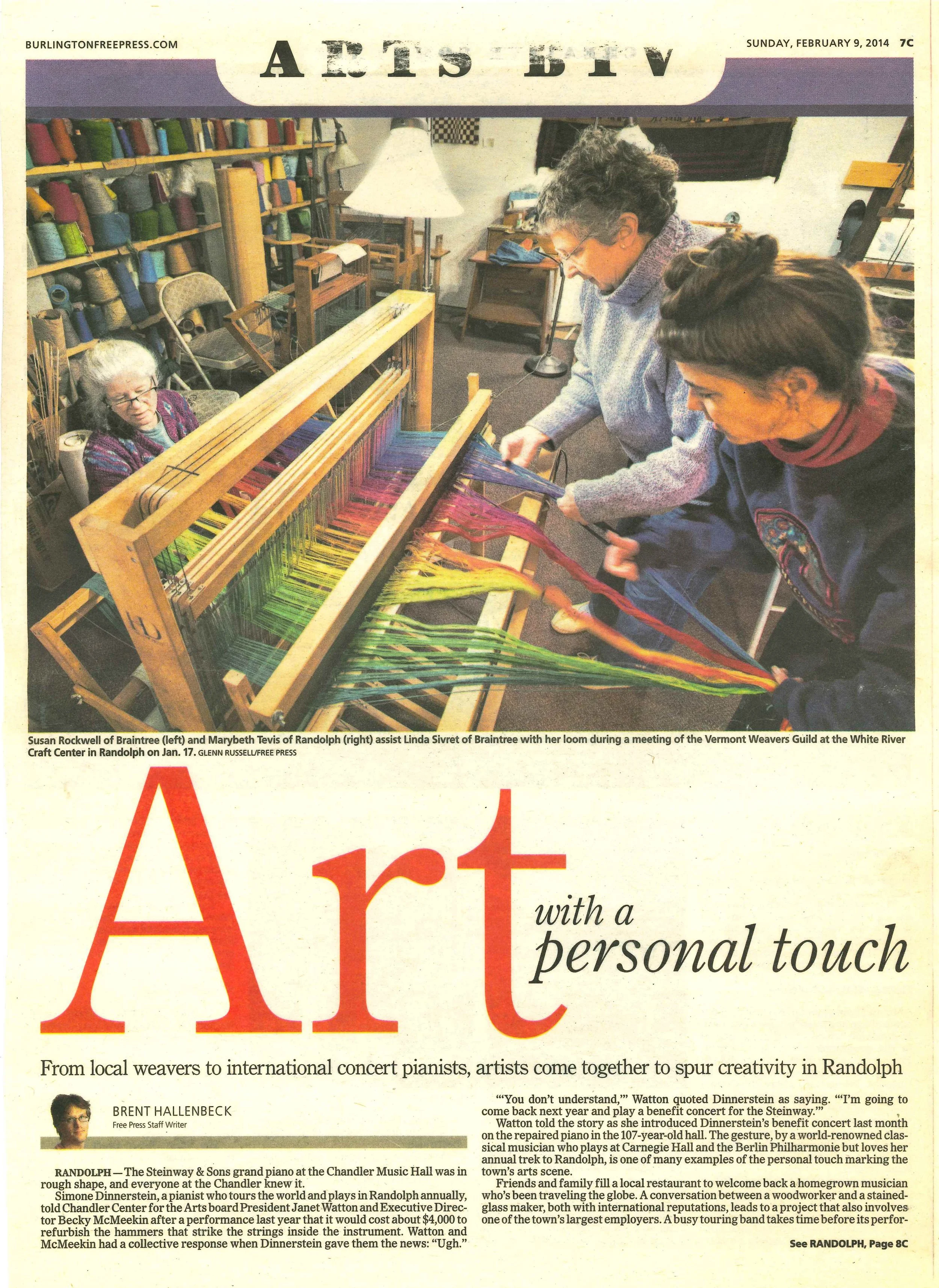
The Weaving Studio emerged through the dedication and generosity of local fiber artists who contributed looms, materials, expertise, and countless volunteer hours. Over time, it became one of the Craft Center's most active intergenerational communities. Weekly gatherings, workshops, meetings, and collaborative projects brought together experienced weavers and newcomers eager to learn.
-
November 10th
Weaving Classes
Susan Rockwell offers weaving classes at the White River Craft Center.
-
September 13th
Open Mic Night
The White River Craft Center hosts an open mic night for young adults and teenagers.
October 4th
Writing Classes
Marjorie Ryerson hosts writing classes out of the White River Craft Center.
-
June 3rd
The Herald: “Open for Art”
The Herald highlights potters working during Open Studio Weekend.
-
February 9th
Burlington Free Press: “Creative Community: Randolph Offers Art with a Personal Touch”
Kimball Restoration
-
-
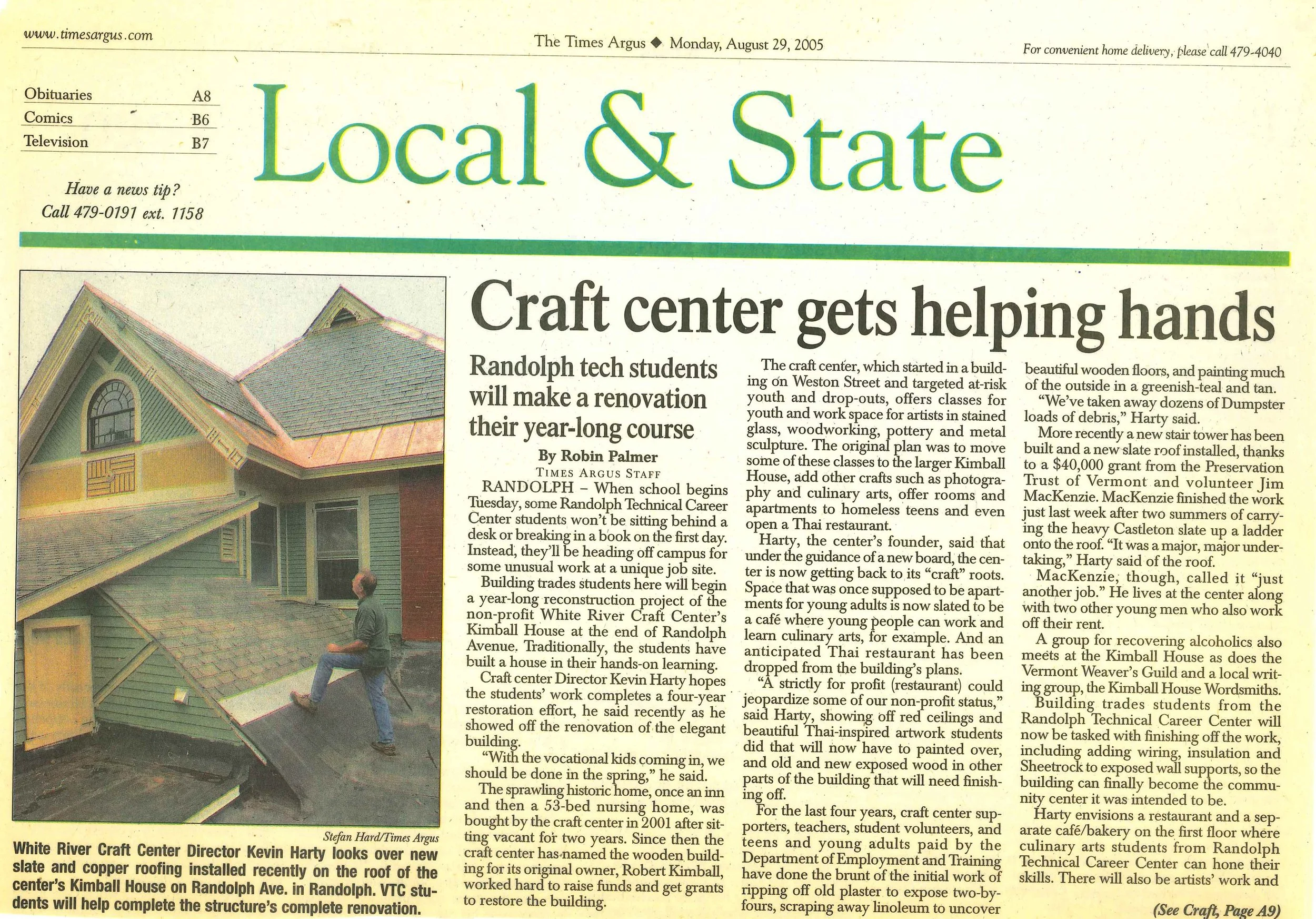
August 29th
The Times Argus: “Craft Center Gets Helping Hands”
September 29th
The Herald: “RTCC Building Trades Joins WRCC”
Students from the Randolph Technical Career Center begin construction work on Kimball House.
Community Connections
Throughout its history, the White River Craft Center has served as more than an arts organization. It has been a gathering place where people of different ages, backgrounds, and interests come together to learn, create, celebrate, and support one another. Workshops, exhibitions, public events, volunteer projects, youth programs, and community partnerships have created opportunities for connection that extend beyond the arts. Local artists, educators, organizations, businesses, and residents have all contributed to a growing creative community rooted in collaboration, accessibility, and shared purpose. These relationships continue to shape the Craft Center and the broader community it serves.
Vermont Weavers Guild
The Vermont Weavers Guild established its library at the White River Craft Center in 2003, creating a lasting partnership that helped strengthen fiber arts throughout the region. The Guild found a home for meetings, workshops, exhibitions, and educational programs, while local weavers gained access to a broader statewide community. Every month, members gather to share techniques, solve challenges, exchange ideas, and support one another's work. Together, these groups helped preserve traditional weaving knowledge while building community and fostering creativity across generations.
Community Meals
Food has always been part of community life at the Craft Center. Over the years, community meals, celebrations, workshops, and public events brought people together around shared tables as well as shared creative experiences. Partnerships with the Randolph Technical Career Center Culinary Arts Program, local cooks and bakers, and later Steve and Rung Morgan of SAAP Thai Restaurant helped create welcoming spaces where conversations, ideas, and relationships could grow. Whether gathered for a free community meal, celebration, fundraiser, exhibition opening, or community project, food helped strengthen the connections that continue to define the organization today.
Kimball Restoration
The restoration of the Kimball House stands as one of the most ambitious and visible examples of community collaboration in the Craft Center's history. For decades, youth participants, volunteers, artists, tradespeople, tenants, and supporters contributed their time and skills to preserving the historic building. Students learned practical trades through hands-on work, helping complete everything from demolition and painting to roofing and carpentry. The project became both an educational opportunity and a community effort. Together, hundreds of people helped transform a deteriorating historic structure into a vibrant center for creativity, learning, and public life.
Partnerships & Collaboration
The Craft Center's story has always been intertwined with the story of the broader community. Schools, nonprofits, businesses, artists, cultural organizations, social service agencies, volunteers, and community members have all played a role in shaping its programs and impact. From educational partnerships and public art projects to exhibitions, performances, and cultural celebrations, collaboration has allowed the organization to reach beyond its walls. These partnerships expanded opportunities for participation, strengthened community connections, and demonstrated the power of working together to create something larger than any one organization could accomplish alone.
-
November 26th
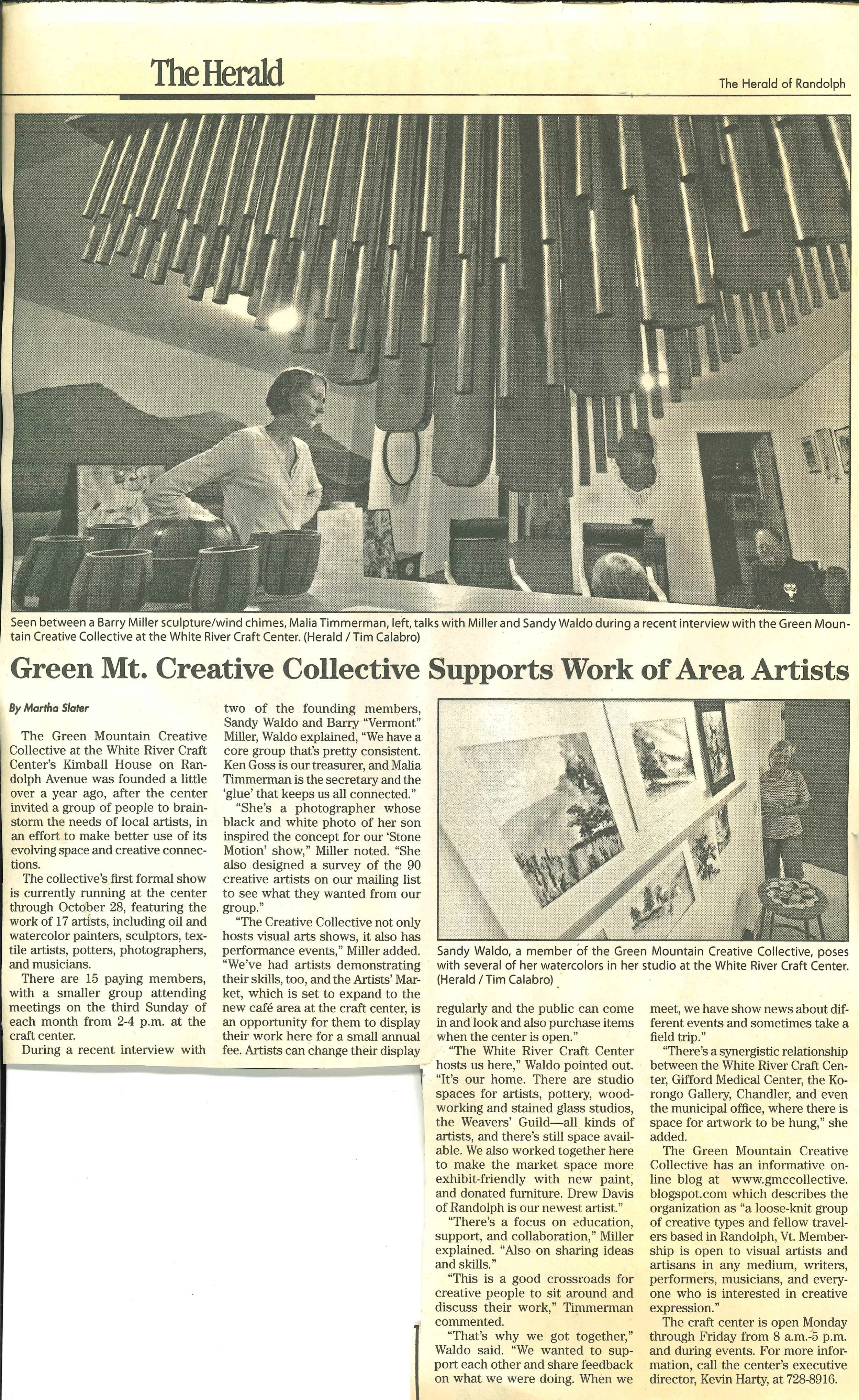
Green Mountain Creative Collective Inaugural Show
The Green Mountain Creative Collective’s inaugural show opens at the White River Craft Center.
-
July 29th
Stone Motion
The Green Mountain Creative Collection concludes its exhibit Stone Motion.
October 13th
The Herald: “Green Mt. Creative Collective Supports Work of Area Artists”
-
-
May 26th
Open Studio Weekend
The Vermont Crafts Council hosts an open studio weekend, which includes the White River Craft Center.
Kevin Harty
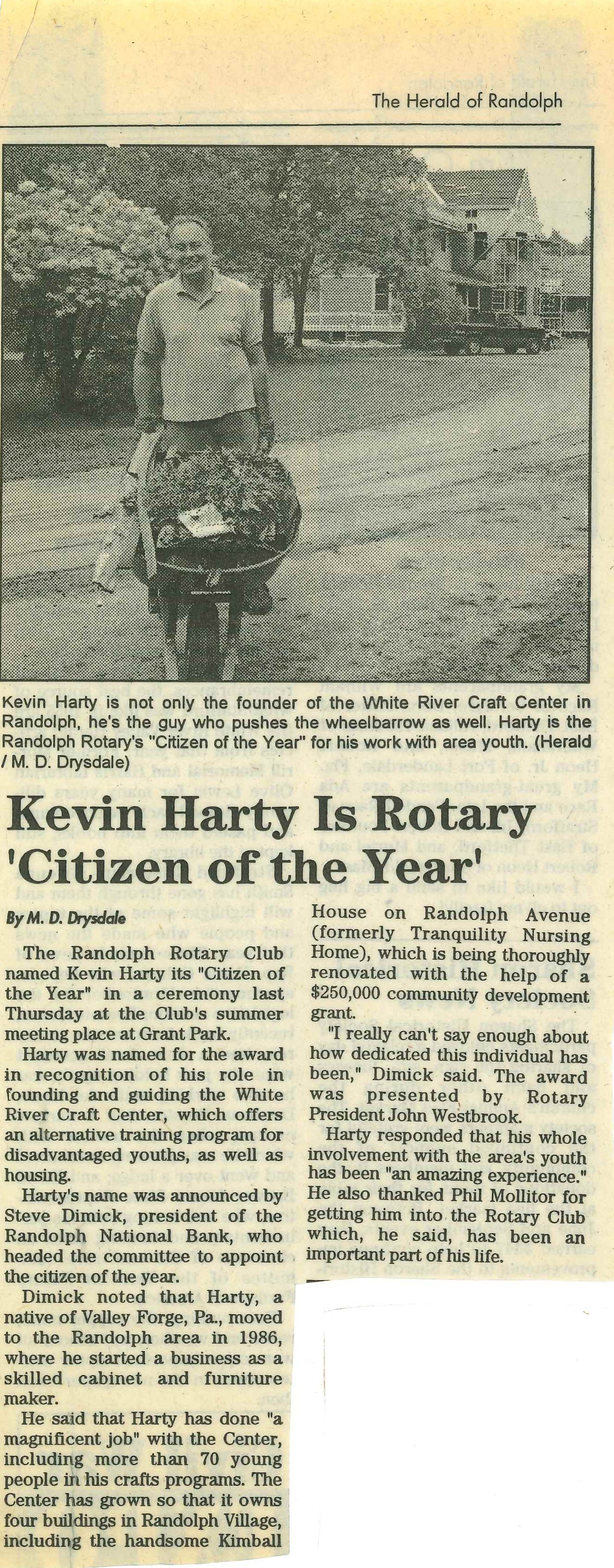
The White River Craft Center was founded by Kevin Harty, a woodworker, historian, preservationist, and community advocate whose vision extended far beyond the arts. He believed that creative work, traditional trades, and historic preservation could provide meaningful opportunities for young people while strengthening the broader community. Under his leadership, restoration projects became classrooms, workshops became gathering spaces, and historic buildings became centers of activity and learning. His commitment to mentorship, craftsmanship, and community engagement established values that continue to guide the organization more than twenty-five years later.
-
February 10th
The Herald: “A Love of Wood”
The Herald reports on Kevin Harty’s woodworking career.
July 3rd
The Herald: “Revitalized Historians Active in Brookfield”
The Herald reports on Kevin Harty and the Brookfield Historical Society’s 57th year of caring for the Marvin Newton House.
-
November 12th
Vermont Sunday Magazine: “Preserving One Kid at a Time”
The Vermont Sunday Magazine reports on Kevin Harty’s work with teenagers to restore Kimball House.
-
WRCC Timeline
-
The White River Craft Center (WRCC) is founded with initial studios located in the old White River Valley Herald warehouse on Weston Street. Stained glass, ceramics, woodworking and drawing classes offered. Relationship with Randolph Area Vocational Center to tutor 10 students and to have them learn building trades. Also, start of collaboration with Vermont Dept. of Labor to hire at risk youth for 8 week summer program.
-
Tranquility Nursing home purchased by WRCC with intention of being the central location for the White River Craft Center. The building is named Kimball House referencing the original owner, Robert J. Kimball.
-
Renovations of the Kimball House begin with partnership with Randolph Area Vocational Center and volunteers.
-
WRCC receives Community Block Award of $250,000 from State of Vermont to help with the renovation of the Kimball House.
-
Vermont Weaver’s Guild makes the WRCC their home for meetings, workshops and their library.
-
Darkroom for photography is built with equipment from Arny Spahn, VTC and RTCC
-
Friday Weavers establish weaving studio and develop weaving program
-
Commercial kitchen completed and start of monthly prix fixe community dinners.
-
Monthly Community Lunches begin collaboration from RTCC culinary arts program.
-
SAAP Thai Restaurant moves into commercial kitchen and becomes a local favorite!
-
Completed renovation of the 2nd and 3rd floor of Kimball House.
The Kimball House
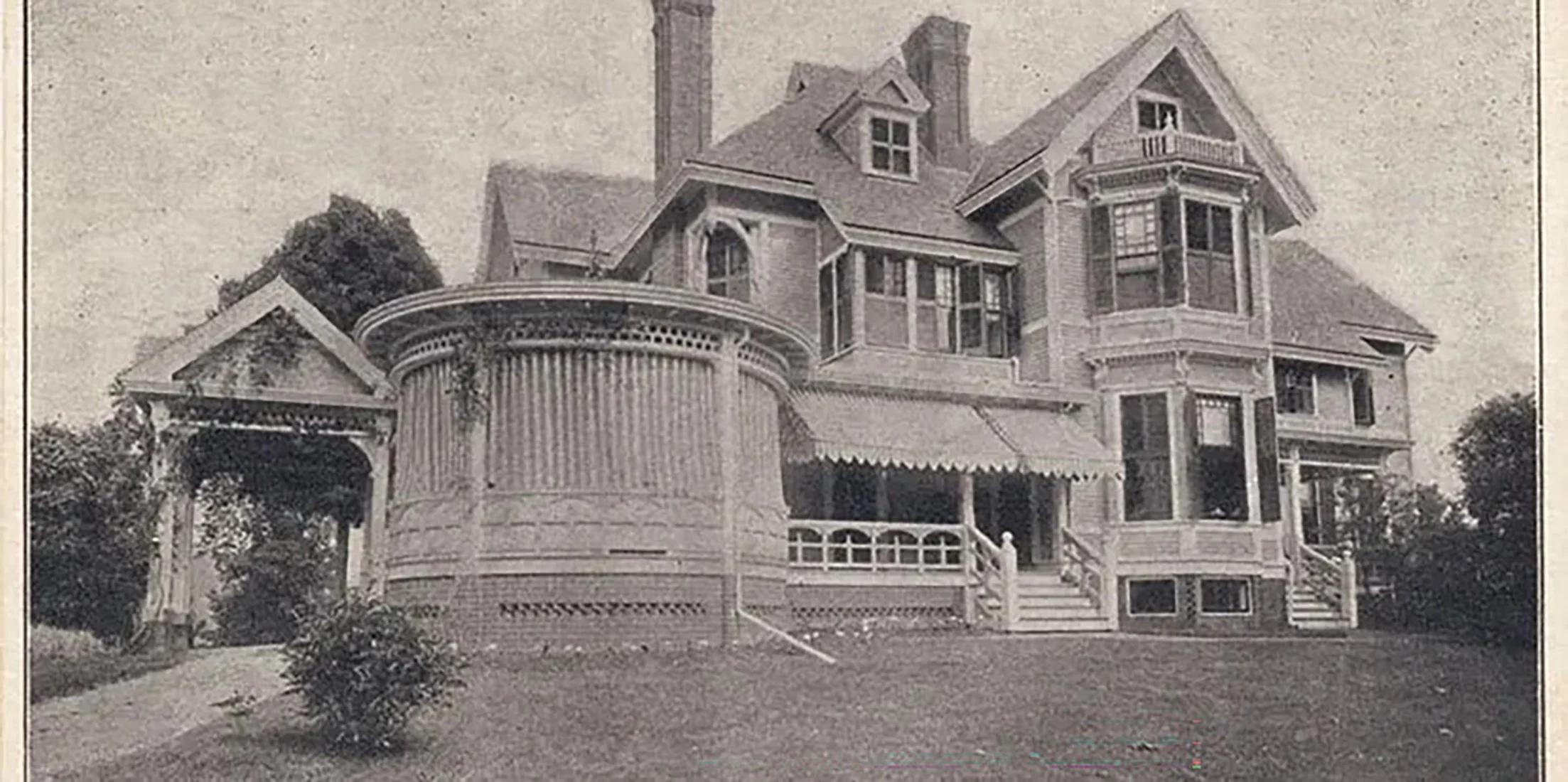
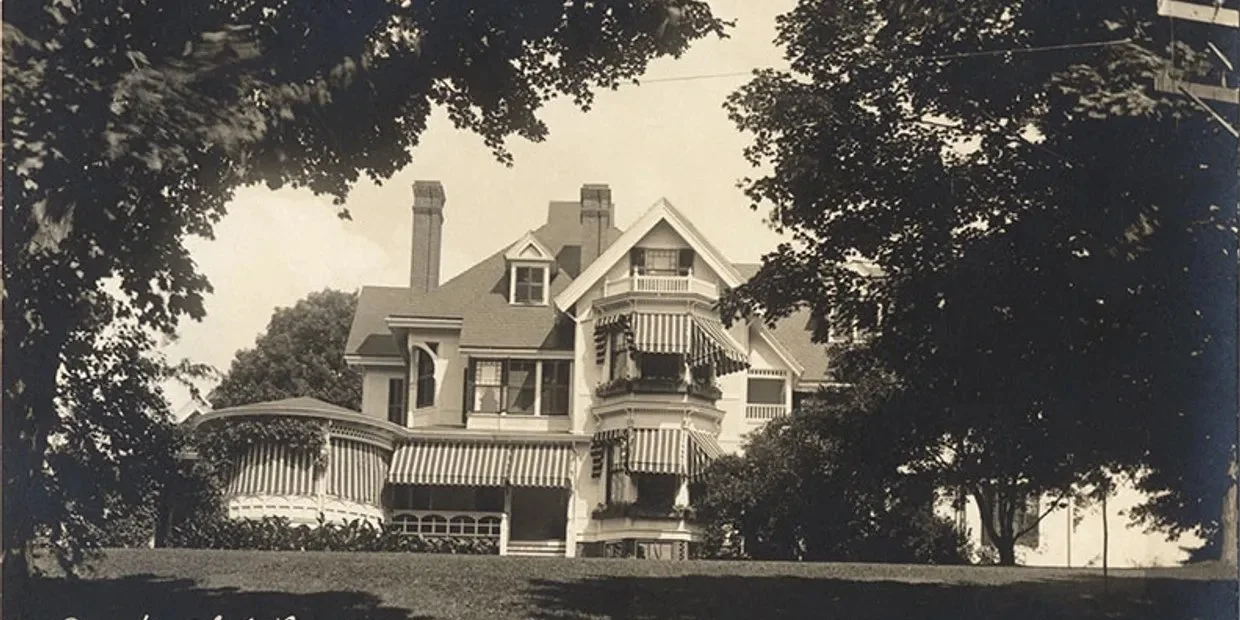
Built in 1887 as the summer residence of Robert J. Kimball, the Kimball House has witnessed more than a century of Randolph history. Known originally as Montague Place, the building later served as the Kimball Inn, the Green Mountain Inn, and eventually Tranquility Nursing Home. Each chapter reflected changing community needs while reinforcing the building's role as a place where people gathered, worked, lived, and connected. By the late twentieth century, the historic structure faced significant deterioration. Its preservation and restoration would become one of the White River Craft Center's most ambitious and transformative community projects.
-
February 24th
Dedication of the Kimball Public Library Building
Randolph gathers to celebrate the opening of its library.
-
January 26th
The Herald: “Community and Civic Development”
The Herald reports on the Robert J. Kimball House’s conversion into Tranquility Nursing Home.
Kimball House Historic Timeline
The main campus of the White River Craft Center (WRCC) is located in the historic Kimball House of Randolph Vermont. Since the inception of the WRCC, our mission has been to promote arts and craft education and restore this beautiful building as a place for our community to connect.
-
Kimball family settles in Randolph. Family farms in Randolph Center
-
Robert J Kimball is born, February 16, 1836
-
Robert J Kimball builds the home we now refer to as Kimball House. He named the residence “Montague Place” for summer vacationing.
-
Montague Golf Course opens
-
Robert J Kimball dies unexpectedly, Kimball Library in Main street in Randolph, is dedicated to him
-
Montague Golf Course Country Club takes over Kimball House and renames as “Kimball Inn”
-
The Kimball House is purchased by R.L. Knight and re-envisioned as the “Green Mountain Inn”
-
Gifford Hospital purchases the Kimball House and remodels it to accommodate over 50 residents. Renamed “Tranquility Nursing Home”